

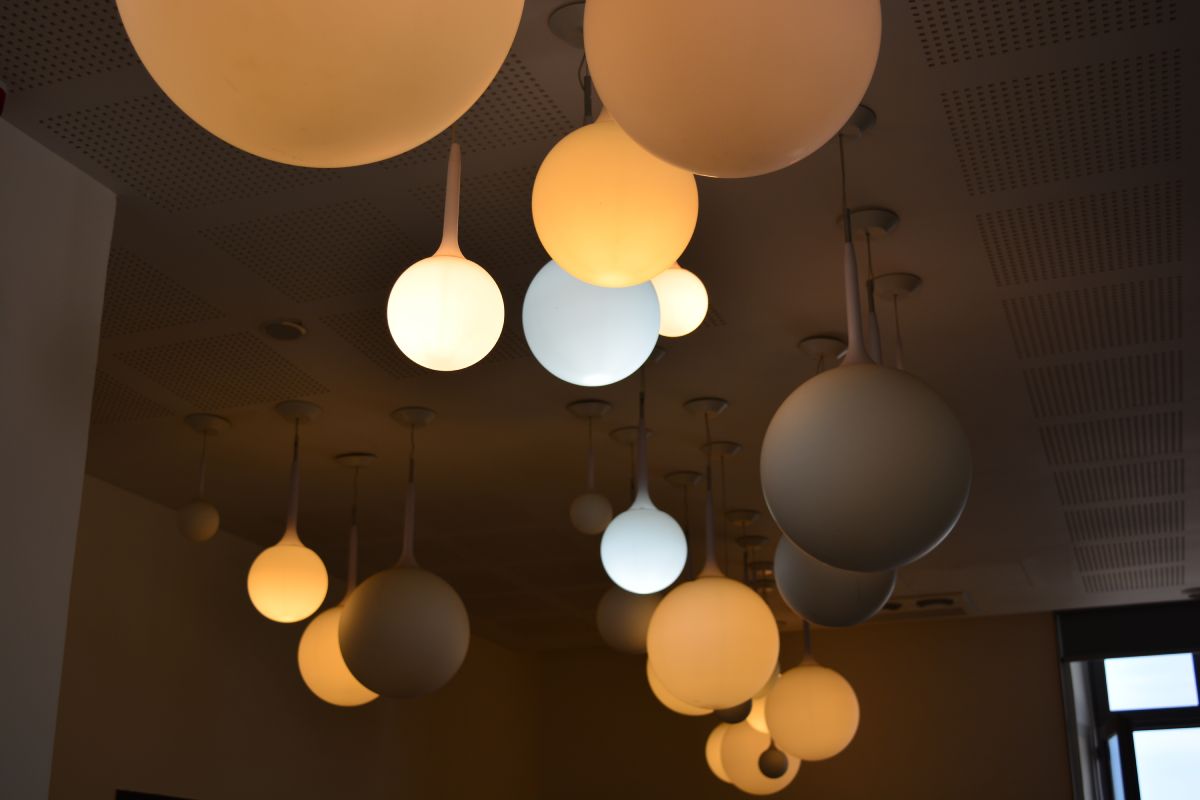
The right ceiling lights change how a room looks and feels, from a calm bedroom to a bright, practical kitchen. With so many LED options on the market, it helps to know what to look for before you buy. This room-by-room guide covers fitting types, colour temperature and brightness. For a deeper look at installation and upkeep, see our full guide to ceiling LED lights, including benefits, installation and maintenance.
Common types of LED ceiling lights
- Recessed downlights: sit flush in the ceiling for a clean, modern look and work well in kitchens, hallways and living areas
- LED panel lights: slim, even lighting that suits offices, laundries and garages
- Flush-mount or surface lights: suit rooms where cutting into the ceiling is not practical
- Pendants and ceiling-mounted fixtures: add a design feature over dining tables or islands
- Track and spotlights: adjustable lighting for feature walls, artwork or workspaces
Understanding colour temperature
Colour temperature is measured in kelvins (K) and describes how warm or cool the light appears:
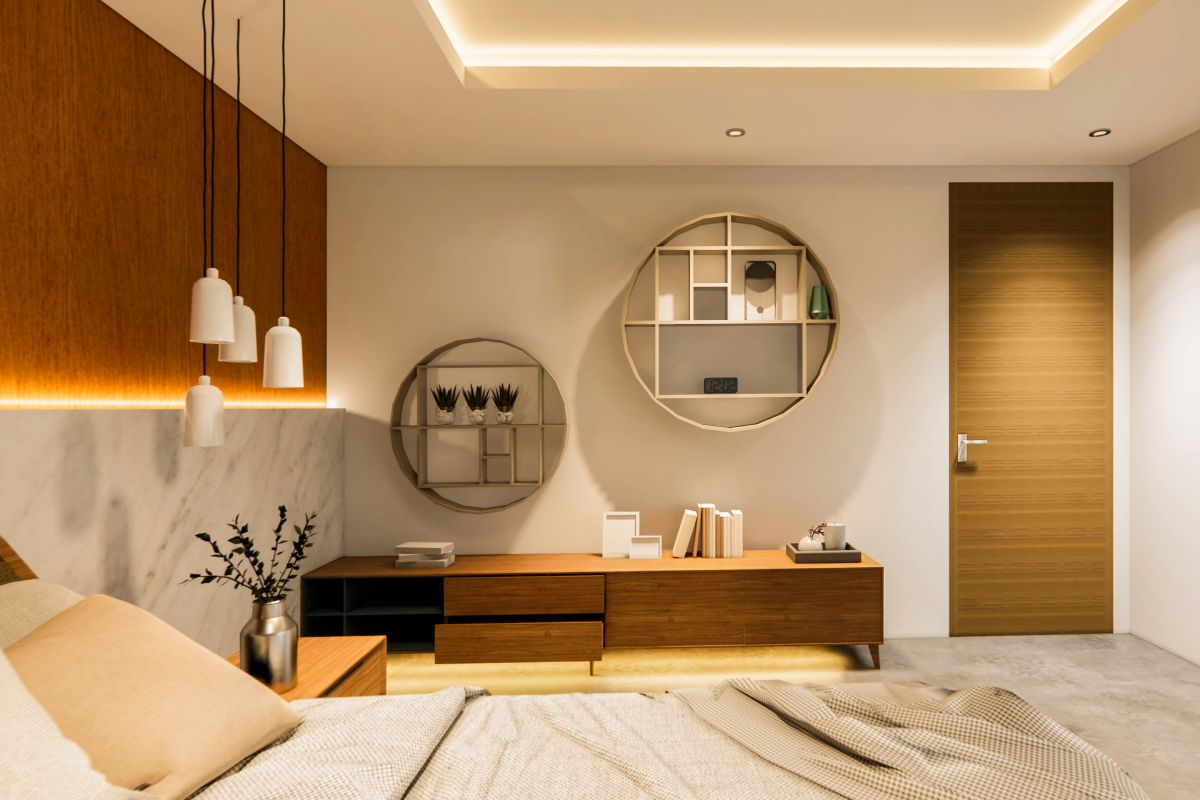
- 2700K to 3000K (warm white): cosy and relaxing, ideal for bedrooms and living rooms
- 3500K to 4000K (neutral white): clean and balanced, a good all-rounder for kitchens, bathrooms and hallways
- 5000K and above (cool white): crisp and bright, best for workspaces, garages and task areas
As a rule, avoid mixing different colour temperatures within the same room, because the mismatch is noticeable.
How bright should your lights be?
Brightness is measured in lumens, not watts. As a rough starting point, bedrooms and living areas need less light than kitchens, bathrooms and workspaces, and layering ambient, task and accent lighting works better than relying on one bright source. Dimmable fittings give you flexibility, but make sure the dimmer is compatible with your LED lights to avoid flickering.
A room-by-room guide
- Living room: warm white (2700K to 3000K), dimmable, with a mix of downlights and lamps
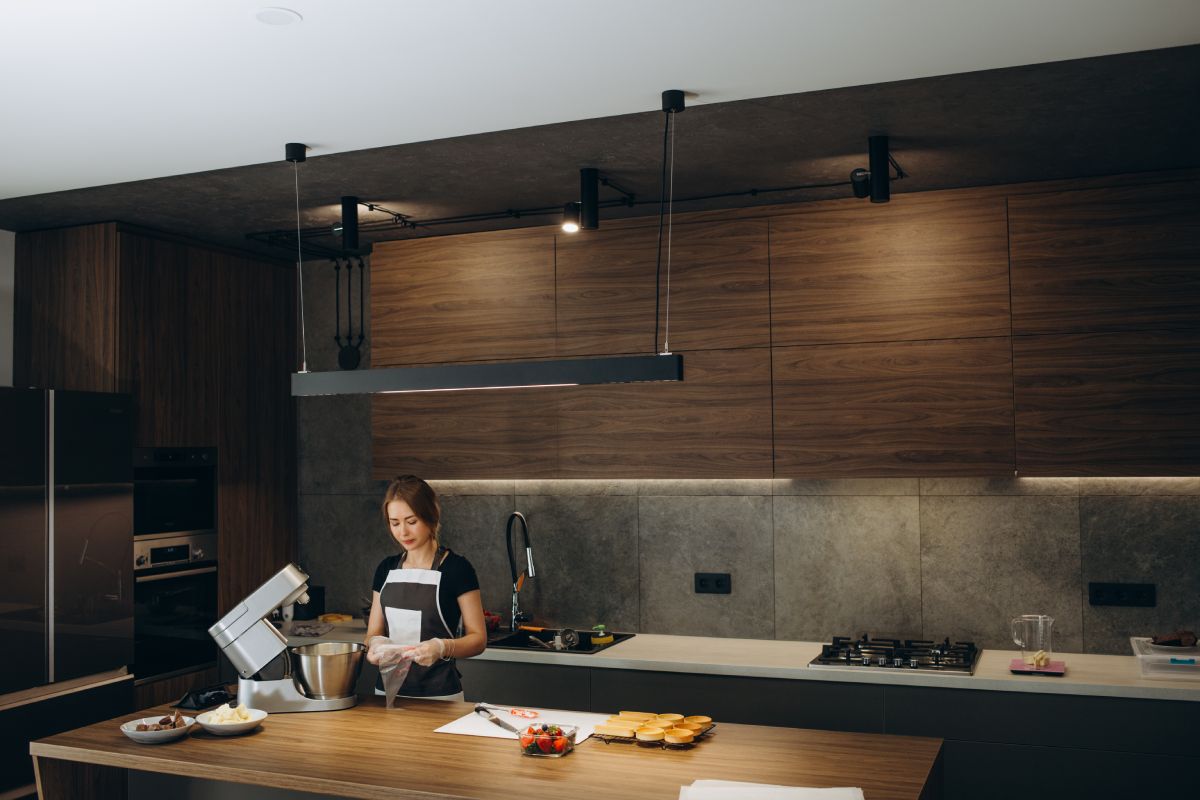
- Kitchen: neutral white (around 4000K) with extra task lighting over benches
- Bedroom: warm white and dimmable for a relaxing evening feel
- Bathroom: neutral white with fittings suited to damp areas, and your electrician can confirm the right rating
- Home office: neutral to cool white with good colour rendering so you can work comfortably
- Hallways and stairs: neutral white for safe, even light
Other features worth checking
- Colour rendering index (CRI): a higher CRI makes colours look more natural
- Beam angle: wider beams give general light, narrower ones highlight features
- Lifespan and warranty: LEDs typically last far longer than halogen or incandescent bulbs
- Insulation rating: if your ceiling has insulation, ask about downlights suitable for contact with it
- Energy use: LEDs use considerably less energy than older lighting, which lowers running costs
Installation and safety
In Australia, fixed wiring and hardwired light fittings must be installed by a licensed electrician. Replacing a plug-in or screw-in lamp is simple, but adding or relocating ceiling lights is not a DIY job. A good electrician can also advise on layout, circuits and dimmer compatibility.
Matching lights to your style
If you prefer a clean, uncluttered look, simple recessed lighting and a few well-chosen fixtures can suit a minimalist approach. Our article on what it means to have a minimalist home explores how to keep spaces calm and functional, and lighting plays a big part in that.
The bottom line
Choose warm light for relaxing spaces, neutral light for everyday tasks and cool light for focused work. Layer your lighting, check the dimmer and insulation requirements, and use a licensed electrician for the installation.
