

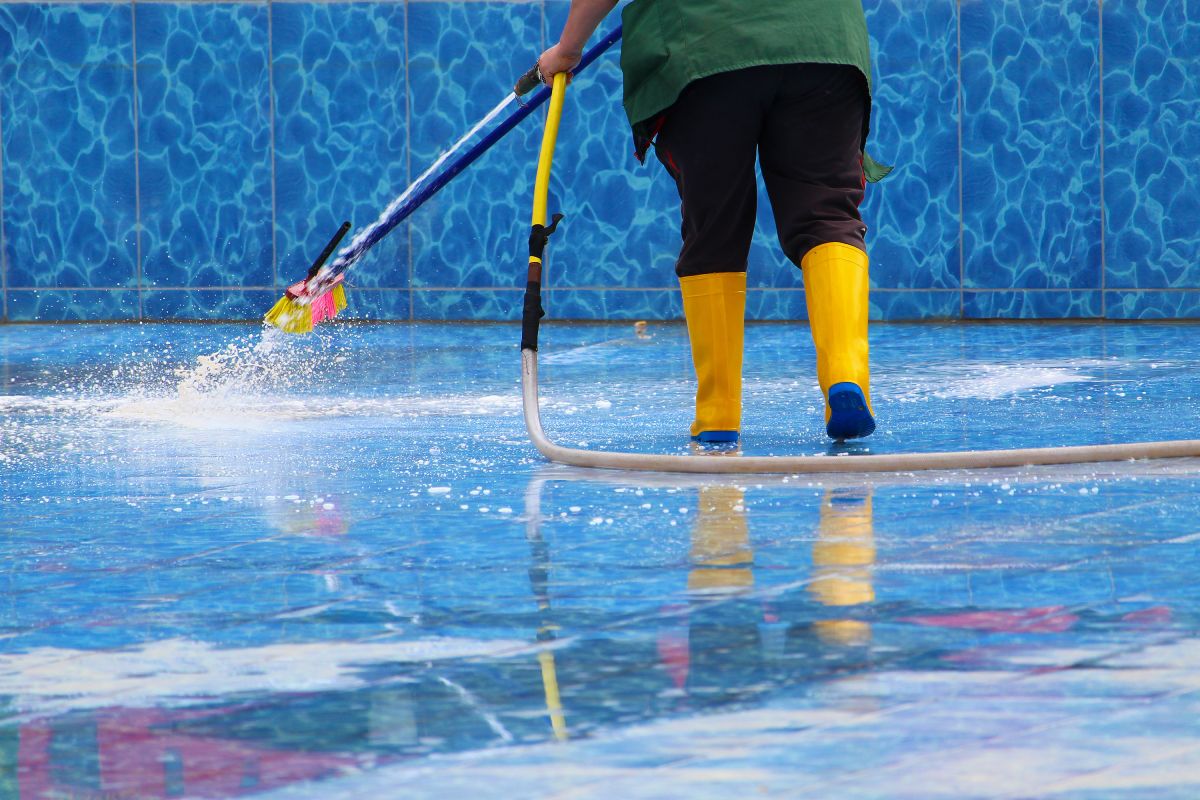
A swimming pool is a great asset when the Australian summer arrives. It provides a place to cool down, exercise and spend time with family and friends. However, keeping a pool clean, safe and enjoyable requires regular attention, particularly during the warmer months.
High temperatures, strong sunlight and increased swimming activity can all affect water quality. Warm conditions encourage algae growth, while sunlight can break down chlorine more quickly. Leaves, insects, sunscreen and other contaminants can also build up faster when a pool is used frequently.
The good news is that most common pool problems can be prevented with a consistent maintenance routine. Whether you manage your pool yourself or occasionally use a professional service, this checklist will help you keep everything in good condition throughout summer.
Daily and Weekly Pool Maintenance Tasks
Regular cleaning is one of the simplest ways to prevent bigger problems. Removing debris and checking your equipment helps maintain water circulation and reduces the amount of dirt and organic material that can affect water quality.
Some tasks should be completed daily, while others can be handled once or twice a week depending on your pool’s size, location and usage.
- Skim the surface: Use a pool net to remove leaves, insects, grass and other floating debris before they sink to the bottom.
- Empty skimmer and pump baskets: Check the baskets regularly and remove collected debris so water can circulate freely through the filtration system.
- Run the pump and filter: Allow the filtration system to operate for an appropriate amount of time each day. Your pool professional can recommend suitable run times based on your pool volume, equipment and conditions.
- Check and test the water: Test your pool water at least weekly, increasing the frequency during particularly hot weather or after storms and heavy swimming activity.
- Brush the walls and floor: Pay attention to corners, steps and areas with limited circulation where algae can begin to develop.
- Vacuum the pool: Remove settled dirt and debris using a manual or automatic pool cleaner.
Establishing a regular schedule makes these tasks easier to manage. For example, you could skim the surface each morning and dedicate a particular day of the week to brushing, vacuuming and testing the water.
Keep Your Pool Water Balanced
Balanced water is essential for maintaining a clear and comfortable swimming environment. Incorrect chemical levels can cause cloudy water, encourage algae growth and potentially irritate swimmers’ skin and eyes.
Common targets used by pool professionals include:
- pH: Approximately 7.2 to 7.6
- Free chlorine: Roughly 1 to 3 parts per million (ppm)
- Total alkalinity: Approximately 80 to 120 ppm
These are general reference ranges rather than universal requirements. Ideal levels can vary depending on your sanitising system, pool surface and equipment. Saltwater pools, for example, still require appropriate chlorine monitoring, even though chlorine is generated through the salt chlorinator.
Use a reliable test kit or pool testing service to monitor your water. Always follow the manufacturer’s instructions and adjust chemicals according to the test results rather than adding products without checking first.
If the water becomes cloudy or starts turning green, avoid immediately adding large quantities of chemicals. Test the water first to identify the underlying issue. The problem could involve low sanitiser levels, poor circulation, incorrect pH or an overloaded filter.
Look After Your Pool Equipment
Your pool’s pump, filter and other equipment work together to keep the water circulating and clean. If one component stops functioning properly, water quality can deteriorate quickly, especially during summer.
Include these checks in your maintenance routine:
- Inspect the pump: Listen for unusual noises, check for leaks and make sure the pump is operating consistently.
- Check the filter: Clean or backwash the filter when pressure readings indicate it is necessary, following the manufacturer’s instructions.
- Examine seals and connections: Look for visible leaks, damaged fittings or signs of wear around pipes and equipment.
- Check heating systems: If your pool has a heater, make sure it operates correctly and receives appropriate servicing.
- Keep the equipment area clear: Remove leaves, rubbish and other objects that could restrict ventilation or access.
It is also worth checking your pool equipment before summer begins. A professional inspection can identify worn components and potential problems before the pool is being used more frequently.
Pool Safety Comes First
A clean pool is important, but safety should always be a priority. Swimming pools present serious risks, particularly for young children, so homeowners need to maintain appropriate barriers and supervision practices.
Pool fencing and gate requirements differ between Australian states and territories. Check the current regulations for your location and make sure your pool barrier complies with the applicable requirements.
Important safety measures include:
- Ensure pool gates are self-closing and self-latching.
- Never prop open a pool gate, even for a short period.
- Check fencing regularly for damage, gaps or loose sections.
- Keep outdoor furniture, pot plants and other climbable objects away from the pool barrier.
- Never leave young children unsupervised near water, even if they can swim.
- Keep rescue equipment accessible and make sure household members know how to respond in an emergency.
Learning CPR is another valuable step for anyone who owns or regularly uses a swimming pool. Knowing how to respond quickly in an emergency can make a critical difference.
Remember that swimming aids and pool toys are not substitutes for active adult supervision.
Handle Pool Chemicals Carefully
Pool chemicals help maintain sanitiser levels and water balance, but they must be handled and stored correctly. Incorrect use can cause chemical reactions, skin irritation or other serious safety issues.
Always read product labels before using chemicals and follow the recommended quantities. Wear suitable protective equipment, including gloves and eye protection, when handling products.
A few essential precautions include:
- Store chemicals in a cool, dry and well-ventilated location.
- Keep all products away from children and pets.
- Never mix different pool chemicals together.
- Keep chemicals in their original labelled containers.
- Follow product-specific instructions when adding chemicals to pool water.
- Never add water to concentrated chemicals unless the product instructions explicitly require it; follow the manufacturer’s specified mixing procedure.
It is also important to keep incompatible chemicals separated during storage. If you are unsure how to handle a particular product, ask a qualified pool professional rather than experimenting.
Know When It Is Time for a Pool Upgrade
Regular maintenance can extend the life of your pool, but there comes a point when repairs or upgrades may be necessary. Cracks, persistent leaks, faded surfaces and outdated equipment can indicate that your pool needs more than routine cleaning.
Other warning signs include recurring water quality problems, inefficient pumps, damaged tiles and surfaces that have become rough or uncomfortable.
Depending on the condition of the pool, renovation options may include resurfacing, replacing tiles, upgrading filtration equipment or improving the surrounding outdoor area.
Our article on reasons to get your pool renovated explores some of the signs that it may be time to refresh your swimming pool.
If you prefer to handle much of the upkeep yourself, our guide on how to maintain your own pool provides further information about the basic tasks involved in keeping a pool clean and functional.
Summer Pool Maintenance Checklist at a Glance
Use this quick checklist to keep track of your regular maintenance responsibilities:
- Test and balance water chemistry at least weekly, or more frequently when conditions require it.
- Skim leaves, insects and floating debris regularly.
- Brush pool walls, steps and floors to discourage algae growth.
- Vacuum settled dirt and debris as needed.
- Empty skimmer and pump baskets.
- Check pump and filter operation.
- Inspect equipment for leaks, unusual noises and visible damage.
- Check pool fencing, gates and safety barriers.
- Store chemicals securely and follow handling instructions.
Keeping a simple maintenance record can also help you identify recurring problems and monitor changes in water chemistry over time.
The Bottom Line
A few minutes of regular pool maintenance can prevent many common problems and help protect your investment. During summer, pay particular attention to water chemistry, filtration and cleaning because heat and increased swimming activity can quickly affect pool conditions.
Keep your equipment in good working order, handle chemicals responsibly and make sure your safety barriers meet local requirements. With a consistent routine and occasional professional assistance when needed, your pool will be cleaner, safer and ready whenever the Australian summer sun comes out.
