

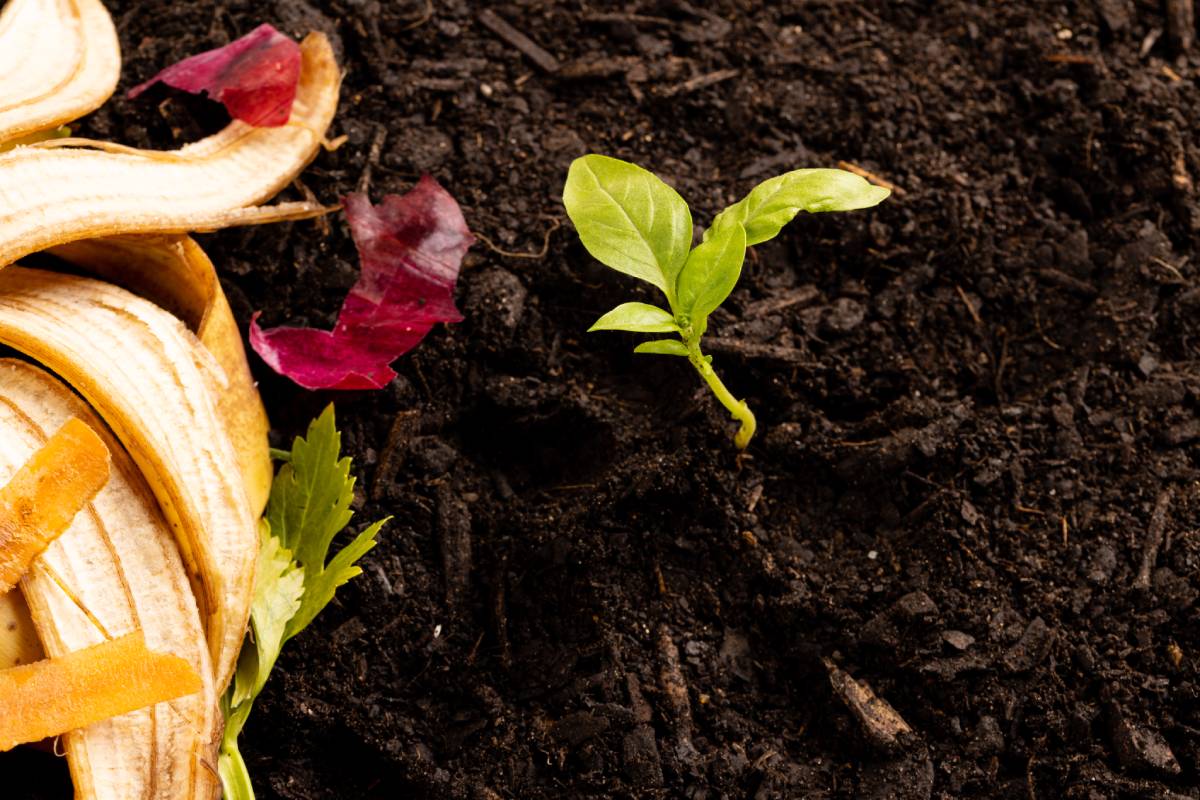
Adding compost to potted plants is one of the most effective ways to improve soil health, boost growth, and keep container plants thriving—but many gardeners still struggle with how to do it correctly. Questions like “How much compost should I add?” and “Do I still need fertiliser?” are extremely common. Understanding the right way to use compost and when to combine it with fertiliser can make a dramatic difference in the health, strength, and productivity of your plants.
In this guide, we break down exactly how to add compost to pots, how often to use it, and whether fertiliser is still necessary for the best results.
Why Compost Matters for Potted Plants
Compost is decomposed organic matter that improves soil structure, moisture retention, and biological activity. In pots, compost has several key benefits:
1. Improved Soil Structure
Most commercial potting mixes are made from peat, coconut coir, perlite, and bark. These materials break down over time, causing compaction. Compost prevents this by adding light, crumbly organic matter that helps keep the soil aerated.
2. Slow-Release Nutrients
Compost contains a wide range of nutrients, including nitrogen, phosphorus, potassium, and trace minerals. Although the nutrient levels are generally low compared to packaged fertilisers, compost feeds plants gently and continuously.
3. Better Moisture Balance
Compost holds water effectively while still allowing excess water to drain. This helps prevent underwatering and overwatering, two major causes of stress in container plants.
4. Microbial Life
Healthy compost introduces beneficial microbes into the potting mix. These organisms help break down organic matter and make nutrients more available to roots.
Many gardeners sourcing high-quality compost, such as products from HASS Thailand, known for their nutrient-rich organic matter, find that even a small addition significantly improves the overall structure and vitality of container soil.
Should I Use Both Compost and Fertiliser?
Short answer: Yes—usually.
Compost and fertiliser serve different purposes, and using both together often produces the best results in containers.
Compost vs. Fertiliser: What’s the Difference?
| Compost | Fertiliser |
| Improves soil structure | Provides concentrated nutrients |
| Adds organic matter | Corrects nutrient deficiencies |
| Feeds slowly and gently | Immediate or scheduled feeding |
| Improves moisture regulation | Must be applied periodically |
| Contains a wide but low concentration of nutrients | Contains targeted amounts of N-P-K |
Because compost releases nutrients slowly and in low concentration, many container plants benefit from supplemental fertiliser, especially heavy feeders like tomatoes, peppers, flowering annuals, and herbs grown for harvest.
When compost alone is enough
Some plants prefer leaner soil and minimal fertilising:
- Succulents and cacti
- Mediterranean herbs (rosemary, thyme, lavender)
- Some houseplants (snake plant, ZZ plant, pothos)
For these plants, adding compost once or twice a year may provide all the nutrients they need.
When fertiliser is essential
Plants that bloom heavily or produce food require additional nutrients:
- Tomatoes, peppers, cucumbers
- Annual flowers (petunias, geraniums, marigolds)
- Basil, mint, and parsley are grown for repeated harvesting
- Indoor plants showing nutrient deficiencies
In these cases, compost improves soil quality, but fertiliser delivers the nutrients necessary for vigorous growth and production.
How to Add Compost to Existing Potted Plants
You can add compost to potted plants at any time of year, but spring and early summer are ideal. Below are the best methods depending on the size of the pot and how long the plant has been growing.
Method 1: Top-Dressing
Top-dressing means adding compost to the top layer of soil without disturbing the roots.
How to do it:
- Use your fingers or a small trowel to scrape away 1–2 cm (½–1 inch) of old soil if possible.
- Add a 1–3 cm layer of compost on top.
- Gently press it down and water thoroughly to help nutrients begin to integrate.
How often:
Once or twice a year, spring and midsummer.
Great for:
Houseplants, large outdoor containers, and mature plants.
Why it works:
Top-dressing mimics the natural process of organic matter falling onto soil and decomposing. It’s safe and effective with zero root disturbance.
Method 2: Mixing Into the Soil
When repotting or potting up new plants, mixing compost into the potting soil is extremely beneficial.
How to do it:
- Mix 10–30% compost into high-quality potting mix.
- Avoid using more than 50% compost—this can make the soil too dense for good drainage.
Ideal ratio:
About 1 part compost to 3 parts potting mix.
Great for:
Fresh plantings, seasonally refreshed containers.
Why it works:
Thorough mixing ensures even distribution of nutrients and organic matter throughout the root zone.
Method 3: Compost Tea
Compost tea is a liquid made by steeping compost in water. It is not a complete fertiliser but can help boost microbial activity and gently feed plants.
How to use:
- Water the plant with diluted compost tea every few weeks during the growing season.
Not a replacement for:
Granular or water-soluble fertilisers for heavy feeders.
How to Use Fertiliser with Compost
If your plants need more nutrients than compost alone can provide, you can use any of the following types of fertilisers alongside compost:
1. Slow-Release Granular Fertilisers
Applied once every 3–6 months.
Great for low-maintenance feeding.
2. Water-Soluble Fertilisers
Delivered through watering.
Used every 1–4 weeks, depending on plant needs.
3. Organic Fertilisers
Examples: fish emulsion, seaweed extract, bone meal, blood meal.
Provide nutrients more gently and improve soil health.
Best Practices
- Start with lower doses than the package suggests. Container plants burn easily.
- Avoid fertilising when the soil is dry. Water first, then fertilise.
- Stop fertilising in winter for most houseplants when growth slows.
How Much Compost Should I Add?
More is not always better. Too much compost in a pot can cause:
- Waterlogging
- Compaction
- Nutrient imbalances
Here’s a simple guideline:
| Container Size | Amount of Compost |
| Small pot (10–15 cm / 4–6″) | ½–1 cup |
| Medium pot (20–30 cm / 8–12″) | 1–2 cups |
| Large pot (over 30–40 cm / 12–16″+) | 2–4 cups or more for top-dressing |
For new soil mixes, limit compost to 10–30% of the total volume.
How Often Should You Add Compost?
A good schedule for most plants is:
- Spring: Top-dress with fresh compost.
- Summer: Add a second light top-dressing if plants are heavy feeders.
- Fall: Optional light application before overwintering outdoor containers.
Houseplants only need compost once a year unless they are fast-growing.
Signs Your Potted Plants Need Compost or Fertiliser
Plants that may need a boost show symptoms such as:
- Pale or yellowing leaves
- Slow growth
- Soil that dries out too quickly or becomes compacted
- Poor flowering or fruiting
- Leaves are smaller than usual
Compost helps correct structural issues while fertiliser corrects nutrient shortages.
Conclusion
Compost and fertiliser each play an important role in keeping potted plants healthy. Compost improves soil structure, moisture retention, and microbial life, while fertiliser provides the concentrated nutrients that many container plants require.
The best approach is usually a combination of both:
- Use compost to build a healthy, resilient soil base.
- Use fertiliser as needed to supplement nutrients, especially for heavy feeders.
By top-dressing with compost once or twice a year and fertilising according to plant needs, you’ll create an ideal growing environment that supports strong roots, vibrant foliage, and abundant flowers or harvests, all within the controlled ecosystem of a pot.
