

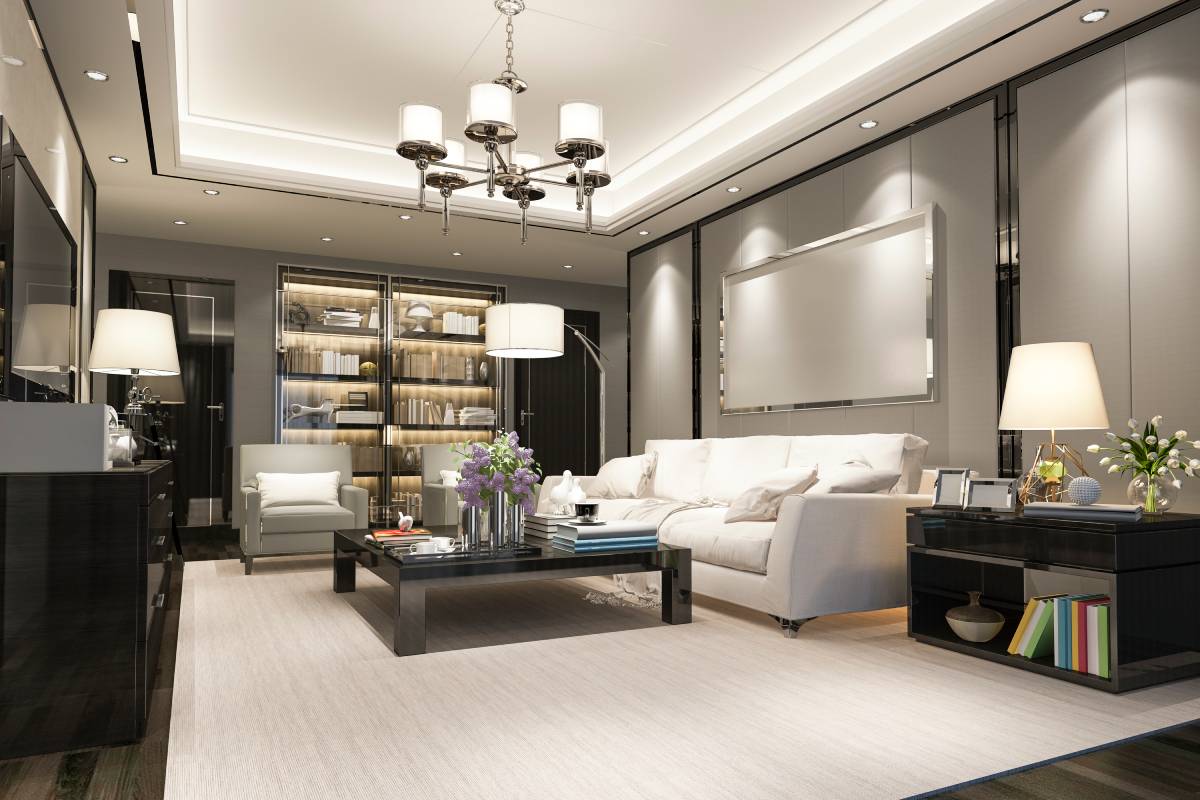
Ceiling LED lights have become one of the most popular lighting choices for modern minimalist homes and commercial spaces. As technology has advanced, LEDs (Light Emitting Diodes) have moved far beyond simple replacements for traditional bulbs and are now an essential part of contemporary lighting design. From improved energy efficiency to enhanced aesthetics and smart functionality, ceiling LED lighting offers a wide range of benefits that suit both practical and decorative needs.
Whether you are renovating, building new, or simply upgrading outdated lighting, understanding how ceiling LED lights work, their advantages, and how to install and maintain them can help you make informed decisions that improve comfort, efficiency, and long-term value.
What Are Ceiling LED Lights?
Ceiling LED lights are lighting fixtures designed to be mounted directly onto or recessed into the ceiling, using LED technology as the light source. Unlike incandescent bulbs that rely on heated filaments or fluorescent tubes that use gas and mercury vapour, LEDs produce light through a semiconductor that emits illumination when an electrical current passes through it.
This method of light production is highly efficient and results in minimal energy waste. LEDs convert a much higher percentage of electricity into usable light, rather than losing energy as heat. This makes ceiling LED lights not only cost-effective but also safer and more environmentally friendly.
Ceiling LED fixtures are available in a wide variety of styles, including:
-
Recessed downlights, which sit flush with the ceiling for a clean, minimalist look
-
Flush mount lights, ideal for rooms with lower ceilings
-
Semi-flush lights, offering decorative appeal with slightly more depth
-
Pendant LED lights, often used over kitchen islands or dining areas
-
Panel and batten lights, commonly found in commercial and industrial environments
Thanks to their compact size and low heat output, LED ceiling lights are suitable for almost any ceiling type, including plasterboard, concrete, and suspended ceilings. Many modern fixtures also feature dimming capability and adjustable colour temperature, giving users greater control over brightness and ambience.
Key Benefits of Ceiling LED Lights
Exceptional Energy Efficiency
One of the most significant advantages of ceiling LED lights is their energy efficiency. LEDs typically consume up to 70–80% less electricity than traditional incandescent bulbs and significantly less than older fluorescent options. This reduction in power usage leads to noticeable savings on electricity bills, particularly in homes or businesses where lights are used frequently.
For commercial environments, such as offices, retail spaces, and warehouses, switching to ceiling LED lighting can result in substantial long-term cost reductions.
Long Lifespan and Reduced Maintenance
Ceiling LED lights are designed to last. On average, quality LED fixtures can operate for 25,000 to 50,000 hours or more, depending on usage and conditions. This means years of reliable illumination without the need for frequent bulb replacements.
The extended lifespan also reduces maintenance costs, which is especially beneficial in spaces with high ceilings or hard-to-access fixtures. Less replacement means less waste, making LED lighting a more sustainable solution overall.
Lower Heat Output
Unlike incandescent or halogen lights, LEDs emit very little heat. This not only makes them safer to use but also helps reduce indoor heat buildup, especially during warmer months. In climate-controlled environments, lower heat output can reduce the workload on air conditioning systems, further improving energy efficiency.
Customisable Lighting Options
Ceiling LED lights are available in a wide range of colour temperatures, typically measured in Kelvin (K). These include:
- Warm white (2700K–3000K): Creates a cosy, relaxed atmosphere
- Neutral white (3500K–4000K): Balanced lighting for general living spaces
- Cool white or daylight (5000K–6500K): Bright, crisp lighting ideal for kitchens, offices, and workspaces
Many modern LED ceiling fixtures also offer adjustable colour temperature and dimming features, allowing a single light fitting to serve multiple purposes throughout the day.
Smart Technology Integration
Smart ceiling LED lights have become increasingly common, offering integration with home automation systems. These lights can be controlled via smartphone apps, remote controls, or voice assistants, enabling users to adjust brightness, colour temperature, schedules, and even energy usage.
This level of control enhances both convenience and efficiency and allows lighting to adapt seamlessly to different activities and moods.
Preparing for Ceiling LED Light Installation
Proper preparation is essential for a safe and successful ceiling LED light installation. Taking the time to plan ahead helps avoid mistakes, reduces installation time, and ensures optimal performance.
Tools and Equipment You’ll Need
A typical ceiling LED light installation requires the following tools:
- Screwdrivers (Phillips and flathead)
- Wire cutters and wire strippers
- Drill with appropriate drill bits
- Voltage tester
- Electrical tape
- Mounting brackets (if not supplied with the fixture)
- Ladder or step ladder
- Protective gloves and safety glasses
Having all tools ready before starting prevents unnecessary delays and reduces the risk of accidents.
Important Safety Considerations
Electrical safety should always be the top priority. Before starting any installation:
- Turn off power at the circuit breaker
- Use a voltage tester to confirm the circuit is not live
- Ensure ladders are stable and placed on even ground
- Maintain good lighting in the work area
- Avoid working alone if possible
If you are unfamiliar with electrical wiring or unsure about any step, engaging a qualified electrician is strongly recommended. In Australia, certain electrical work must be performed by licensed professionals to comply with safety regulations.
Step-by-Step Guide to Installing Ceiling LED Lights
Step 1: Selecting the Right Location
Start by identifying where your ceiling LED lights will be installed. Consider the room’s layout, ceiling height, furniture placement, and intended use of the space.
- Kitchens and work areas typically require brighter, evenly distributed lighting
- Living rooms and bedrooms often benefit from softer, ambient lighting
- Hallways and entryways may need focused illumination for safety
Proper spacing is essential to avoid shadows or overly bright areas.
Step 2: Installing the Mounting Bracket
Most ceiling LED fixtures include a mounting bracket that attaches to the ceiling junction box. Secure the bracket firmly according to the manufacturer’s instructions, ensuring it can support the weight of the fixture.
Double-check alignment and stability before proceeding.
Step 3: Wiring the LED Fixture
Carefully strip the wire ends and connect the fixture wires to the ceiling wires:
- Black to black (active)
- White to white (neutral)
- Green or bare wire to earth
Secure connections using approved connectors, then neatly tuck the wires into the junction box.
Step 4: Securing the Fixture and Testing
Attach the LED fixture to the mounting bracket and tighten all screws. Restore power at the circuit breaker and test the light.
If the light does not turn on, switch the power off again and recheck all connections before troubleshooting further.
Common Ceiling LED Light Problems and Solutions
Flickering Lights
Flickering is often caused by incompatible dimmer switches, loose wiring, or voltage fluctuations. Ensuring all connections are secure and using LED-compatible dimmers usually resolves the issue.
Lights Not Turning On
If a ceiling LED light fails to operate, check the circuit breaker, wiring connections, and LED driver. Testing the fixture with another compatible bulb or driver can help identify the problem.
Maintaining Your Ceiling LED Lights
Regular Cleaning
Dust and debris can reduce light output over time. Periodically clean ceiling LED fixtures using a soft, dry cloth. For glass covers, use a mild cleaner and avoid abrasive materials.
Knowing When Replacement Is Needed
Although LEDs last for many years, signs such as reduced brightness, colour changes, or persistent flickering may indicate it’s time for replacement. Replacing ageing fixtures helps maintain lighting quality and efficiency.
Choosing Reliable Power and Lighting Solutions
For large-scale installations or power-related projects, working with experienced electrical and energy specialists can make a significant difference. Providers such as Reds Power Solutions are often involved in supporting reliable power infrastructure and energy-efficient lighting systems, helping ensure consistent performance across residential, commercial, and industrial environments.
Conclusion
Ceiling LED lights offer an outstanding combination of efficiency, durability, flexibility, and modern design. By understanding how they work, how to install them correctly, and how to maintain them over time, you can enjoy reliable, high-quality lighting that enhances both functionality and visual appeal.
From reduced energy costs and minimal maintenance to smart features and customisable ambience, ceiling LED lighting represents a long-term investment in comfort, sustainability, and performance.
